Keeper Crew · 10 min read
Keeper Crew Notes: September 2026
Hey Keeper Crew!
Welcome to another addition of the NTNWH email blog monthly.
Weather you have been following along for years or are new to the crew thank you for being a part of growing this community and supporting wildlife lovers, conservation supporters and curious minds.
Fun facts!
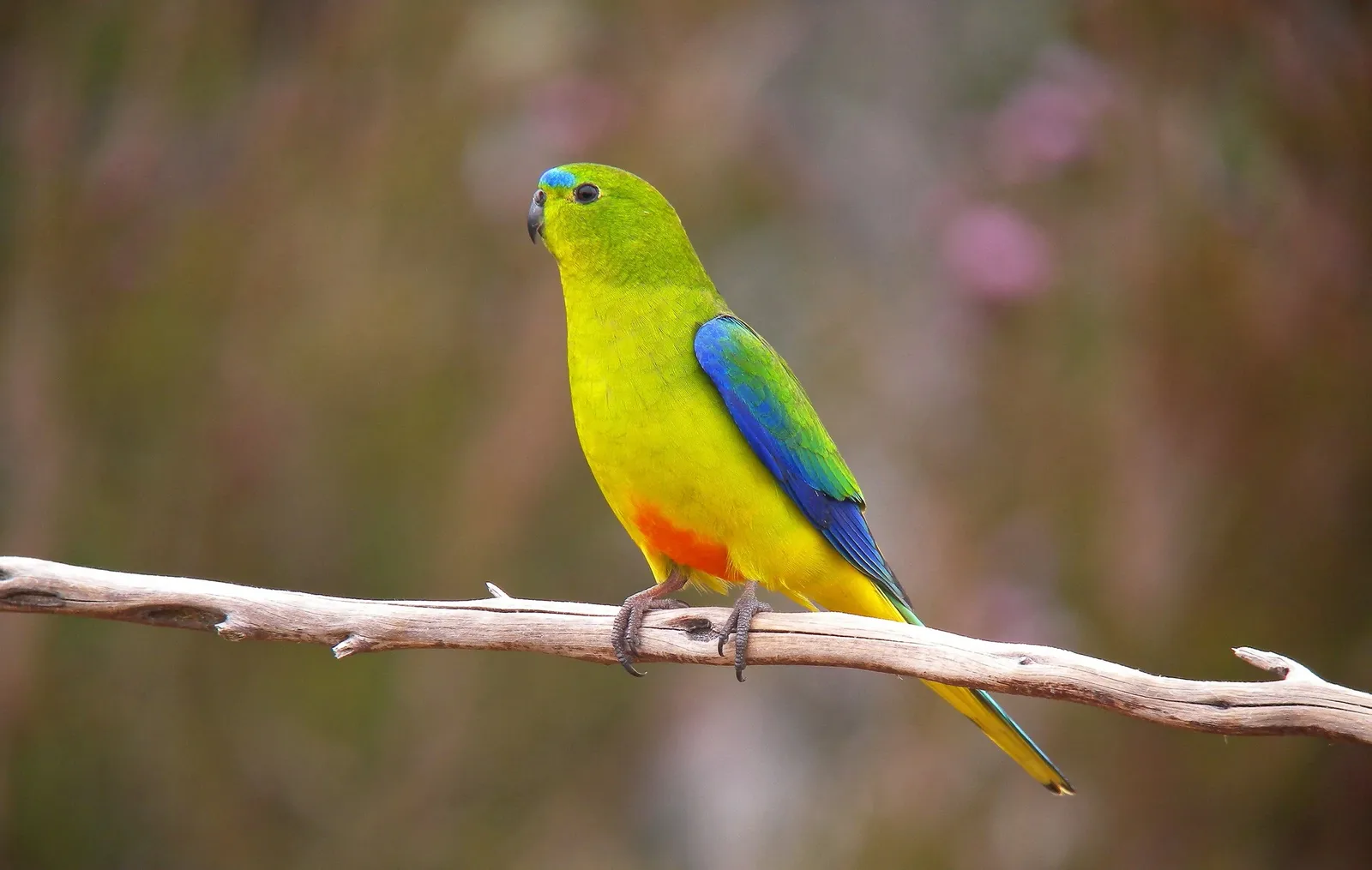
Orange Bellied Parrots
Did you know that Orange Bellied Parrots are one of only 2-3 migratory parrots in the entire world, and that is what makes the fact that they are critically endangered even more disappointing. These parrots are absolutely beautiful and are tiny, weighing 40 grams and only being roughly 20cm tall. These birds don’t just have unique migratory behaviour between Northern Tasmania and South East Victoria, but they are also ground dwelling seed eaters!
That is what makes them so vulnerable to introduced predators like foxes and roaming cats! These birds eat, sleep and breed on the ground and hide under shrubs in marshes around Victoria. But because marshes are “gross” and unappealing to most, they are being demolished to create tourist destinations and housing, etc. So these stunning parrots go to Tasmania for part of the year and return to Victoria where their homes have been destroyed and replaced with urban infrastructure instead. With no more cover available, these birds can’t hide and they then become exposed and vulnerable to predators.
The Orange Bellied Parrots’ role in our ecosystems are much larger than their stature, even in their scarce numbers of only 85 – 165 individuals in the wild (a massive improvement from their previous 17!)
These remarkable little birds are seed dispersers because, as dedicated ground-feeders, Orange Bellied Parrots consume a huge variety of seeds, fruits, and flowers from native grasses and salt-tolerant coastal plants like beaded glasswort. They do this across massive distances because of their migrations. They help regenerate native plant life ensuring the stability and security of coastal plant populations.
But that’s not where it ends – They are also coastal bioindicators! Because they are highly dependant on specific coastal habitats and ecosystems, their health directly reflects on the quality and health of their habitat. Therefore, when Orange-Bellied Parrot numbers drop, it serves as an early warning sign that these critical coastal wetlands are suffering from habitat degradation, pollution, or weed infestation. Protecting the parrot forces the protection of the broader wetland environments!
Lace monitors
Lace Monitors are Australia's 2nd largest lizard and the 5th largest lizard in the world! They are personally one of my favourite animals because of their power and intelligence. They have large sharp claws, a powerful whip like tail with tremendous power and roughly 50-60 razor sharp, serrated and backwards-facing teeth, giving prey no way to escape their grasp! These animals are also extremely fast runners in short distances (reaching up to 40km) and have a profound ability to climb trees at an incredible speed!
Lace Monitors are apex predators with not only impressive power but also keen senses. They have a Jacobsen’s organ, like all monitors, and a massive forked tongue that they use to pick up particles in the air, rub against the Jacobsen’s organ, then they process that “data” and can find out what is near them and where -- all from the flick of their tongue!
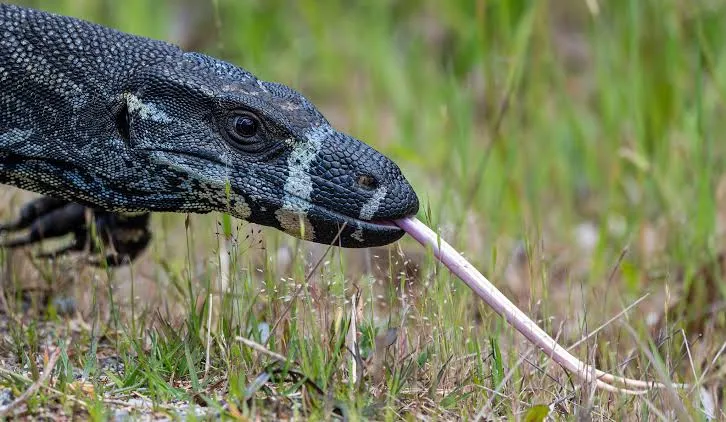
They also have impressive situational awareness compared to many lizards and a unique symbiosis with termites! This is a now fatal flaw that is putting them at threat of extinction (minor so far). Now I’m sure you’re probably thinking, “how can an evolved symbiotic trait be a threat to them?”. Well it’s because, whilst it may be a genius evolutionary trait, it has been made dangerous and redundant in the last 130-140 years due to the introduction of cars to Australia and the pest control industry!
To break down these two causes more, first I’ll explain the symbiosis. This is the partnership between Lace Monitors and termites. How it works is that a female Lace Monitor will find an established termite mound and dig a large hole in a spot near the top in the centre using its massive sharp claws and raw power. Then she will lay her eggs in the cavity created, undisturbed by the termites because of her thick armour-like scales. After that, her job is done for now. She will leave the mound and let the termites seal up the cavity. From then on, it is roughly a 10-11 month process where the termites protect the mound from attackers and keep the temperature and humidity inside perfect, just like an incubator! The female instinctively knows when to return and dig her freshly hatched babies out of the mound, allowing them to be released and live their life without any help from mum.
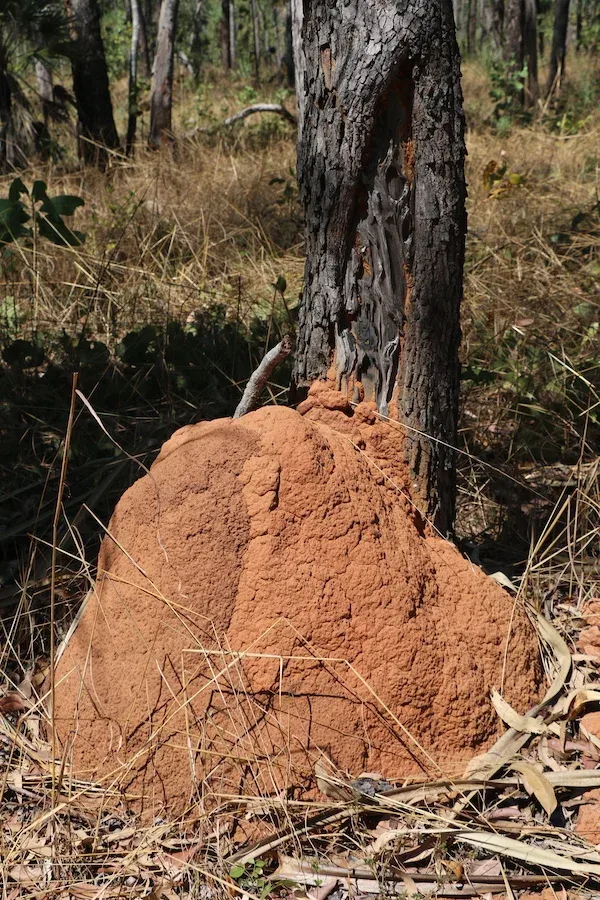
But the flaw in this system is when humans come in and build large homes built of wood. This of course means that termites are instantly disliked by homeowners who are worried that their new homes’ longevity will be significantly reduced if destroyed by termites. Therefore, humans began the eradication of termites at mass with pest controllers causing the removal of them from homes (space that was originally a resource-rich bushland for them). Of course, with the reduction of termites and mounds, Lace Monitors now struggle as it is hard to find an unused mound for their eggs to incubate safely in the wild.
But it doesn’t end there – to make matters worse, we now have 22.3 million registered cars in Australia. This is a problem because everyday there are countless animals killed on the road and if it is not directly a Lace Monitor, there is a good chance it may end up being one anyway! This is because out of all of those animals killed on the side of the road, few of them are actually checked and moved off the road. This means that all of the carnivorous or omnivorous animals near the carcass will most likely come to feed on the roadkill. This is especially true for Lace Monitors as their primary wild diet is carrion/dead animals. When this happens, the Lace Monitor may be inside the prey item eating it (sometimes fully inside unbeknownst to drivers because an animal’s hide can be so thick and tight from bloating that the predator may have to climb IN THE ANIMAL’S RECTUM! When the Lace Monitor is inside the animal and not at all visible, if or when the road kill is clipped again by a vehicle, then the collision may sadly kill the monitor inside too! If this happens, then the Lace Monitor (if female) will not be able to get back to the mound and release its babies or even breed for the next season, causing our Lace Monitors numbers to continue to decline.
channel updates
Slatey Grey Snake
I am so excited to introduce a dream snake of mine – my Slatey Grey Snake to the channel! These snakes are very rare in captivity and almost a lost gem that I believe is not given nearly enough credit. Slatey Greys are a colubrid snake with highly iridescent scales and amazing contrast on their bellies. They are also a fossorial snake that spends a lot of time burrowing or hiding. So whilst at times it can feel like I’m just keeping a box of dirt, it is all made up for when I get to see that gorgeous snake that glistens in the light and is jet black! I have been obsessed with them for a long time and am so glad to finally see one in person, let alone have one! I actually have some big plans with these guys and hope to breed them in the years to come!
Baby Fat Tailed Dunnarts again
More baby dunnarts! I know! It's wild that we have Dunnarts coming out of our ears! Since our last edition, we have had 3 litters of dunnarts be born at NTNWH. I'm very happy about the fact that I have had so much success breeding these elusive and unique animals! They are such a cool species, and their babies are so cute! I'll definitely have to show you more of these little fellas on the channel soon, and if you want, we could make a Patreon where you can see more of our content, behind the scenes, and even get early access to some babies from each season. So let me know if you’d like that!
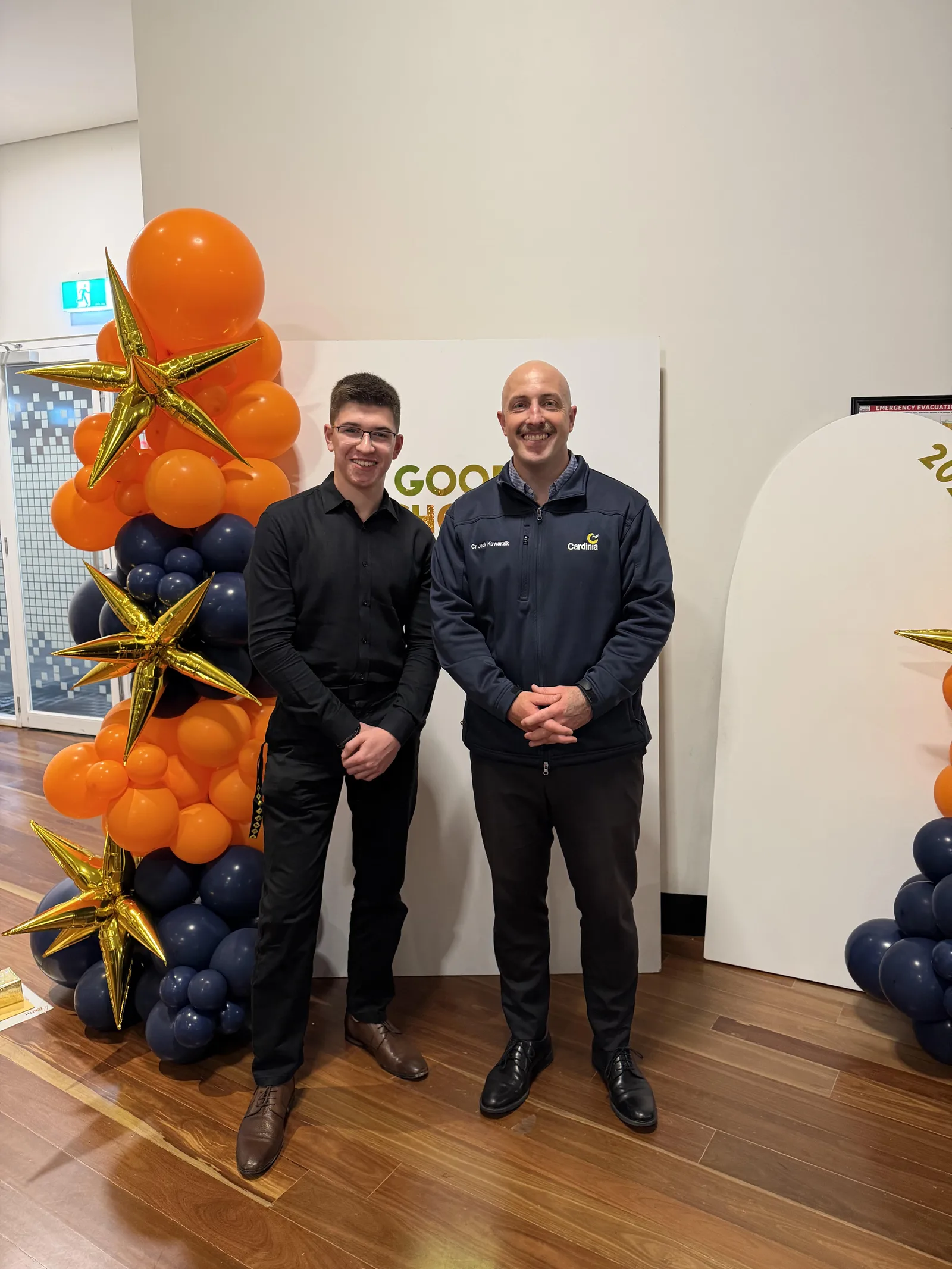
The Cardinia Shire Youth Good Choice Award
And finally to wrap up our monthly insights, as you may have seen, I recently won an incredible award! The Youth Good Choice Award with the Cardinia Shire Council. This is an important one to me because it is not for business, or academics, etc but is instead an award for young people who have been through tremendous struggles and have chosen not to give up, but instead made meaningful contributions, made good choices (like continuing to study or create new initiatives) or built their community and/or themselves back up despite their challenges.
But of course in typical fashion, things didn’t go to plan and I was late, arriving in the last 15 minutes of the event haha. Unbeknownst to me, I was selected as the featured person for the event and sadly I missed it as I misunderstood the start time! I was so disappointed not to have been there for the entire event so I could hear all the nominees incredible nominations, however the event coordinators and other nominees were awesome and very accommodating – even bringing us out a platter of food to enjoy before they packed everything up and Councillor Jack Kowarzik stayed to present me with the award and pass on his congratulations. It was still a great night to enjoy and be a part of. I greatly appreciate being picked for such a special award and it was really nice to have my family there supporting me.
Conservation wins
Heat resistant corals!
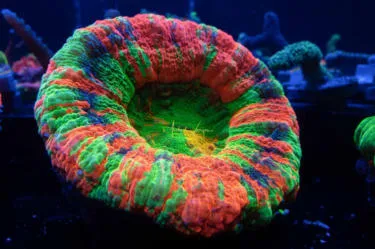
Speaking of persistence in the face of struggle… scientists have discovered that particle species of coral in the Great Barrier Reef are actually more tolerant to the rising water temperature than others! This information is now being used to see if we can selectively breed or genetically edit other species of coral to be more tolerant of elevated temperatures!
Whilst this has been common knowledge for many aquarists and scientists for quite some time, we are now taking proactive steps to protect our reefs with the incredible new tech we have! This means that instead of trying to simply replant more corals and fail, due to our massive loss rate, we are instead trying to flatten the curve by making our coral stronger!
Expansion of a marine conservation site
An existing marine park in the northen territory covers about 884 km² of coastal waters. However, the Northern Territory Government is now proposing to add roughly 185km2 of coastal habitat to said protected zone! Whilst this operation is still in the works, the Northern Territory Government says that this is imminent.
Why is this so important? Well it’s because The Gulf of Carpentaria contains the largest Dugong population in the Northern Territory, and traditional owners have identified the area as particularly important for Dugongs, particularly as there are regular sightings of their pups around areas of the reserve annually. The reason that this area harbours Dugongs and so many other animals is partly because of the of the mass of sea grass in the reserve that helps with providing food and shelter for Turtles, Dugongs as well as spawning habitat for fish and being a natural filter for the water!
Whats next?
Well I can’t reveal too much unfortunately, but I can tell you that we are much closer to becoming wildlife educators, which is very exciting for me because it has been a goal of mine for quite some time now. Whilst there is still a lot to work through and still some time until we get there, I am still bouncing off the walls at the idea of teaching more people about wildlife!
Not only that, but we have some very cool and heart-warming videos coming soon! From unboxings to big give aways and pulling the cover off of things that I’ve kept on the down low for years! It really feels like its time to get excited and I can’t wait to share it all with you.
Well Keeper Crew, that’s all the updates I have for this month. Thank you so much for reading along and I hope you’re as excited as me abut all the things we’ve got cooking!
We are getting rather close to reaching our goal and becoming a zoo, so stay tuned and show some love on our socials (Links below).
- Tiktok
- Youtube
- Instagram (Keeper Crew)
- Next to Nature with Harry Podcast: coming soon
This issue first went out to the Keeper Crew by email. Read the original newsletter or join the Keeper Crew to get the next one.